Can Door Locks Wembley Ever Be The King Of The World?


The Dangers of Broken Door Locks
Door locks are the primary security measure for your Harrow home. They are designed to stop criminals from gaining entry to your home through various methods.
This lock has a lightning-fast fingerprint reader and an easy-to-use backlit keypad. It's Bluetooth only, however, and requires an Apple Home hub or a Ring bridge for sidewalks.
Fixing a Broken Door Lock
Door locks are a vital component of security for your home. As such, it is important that homeowners be alert to any signs of a broken lock in order to repair it quickly and avoid any further damage. Many people overlook the locks on doors, but they're much more dangerous than you think. It is important that you be aware of the dangers that come with a broken lock, so you can fix it as soon as you can.
One of the most obvious signs that your door lock is broken is when it becomes difficult to open using the key that was assigned to it. This means that internal mechanisms can no longer operate correctly, causing problems. This could indicate that the lock is malfunctioning or that the key has been damaged.
If your lock isn't able to turn or unlock, it is likely that the cam tongue on the cylinder is stuck. This can be a difficult issue, but it can be easily fixed. A lubricant like a directional graphite spray can be used to break loose any gumy or grippy deposits that might have stopped the lock from turning. A accumulation of dirt and other debris in the keyway could also cause the lock to become seized. This can be removed by spraying a lock deicer or graphite in a directional way.
Also, it is important to note that hinges can cause problems with the lock if they are not properly attached or are loose. With a screwdriver, you can tighten the hinges so that they are more secure and avoid any further damage to the lock mechanism.
It is also a great idea to lubricate your lock with the help of a lubricant such as a directional spray of lubricant or graphite. This will allow the key to move freely inside and ensure that it can move freely. You can also make use of a cotton swab or q-tip to clean any dirt that has accumulated in the keyhole that could hinder the lock from working effectively.
How to Change a Door Lock
The door lock is one of the most essential elements that help keep your premises safe and protects privacy. The lock is comprised of internal and exterior parts that work together in order to secure the door. The internal parts include the lock and latch, and the external component is the door handle or knob. The locks and door handles are available in a variety of finishes, styles and sizes to meet the requirements of any establishment. Some locks for doors are more secure than others, based on the design of the lock as well as the kind of key employed.
The cylinder is the first element in a door lock. It is a cylindrical metallic object with pins placed in a row. door fitting wembley pushes the pins in a particular order to unlock and close the lock, or retract and extend the bolt. The cylinder also has an uneven edge that recognizes the key's height and then moves up to accommodate the key's shape into place.
Another vital component of the lock is the bolt or latch. It is a piece made of metal that extends from the door and then into the frame to secure it closed. There are two latches that can be used on doors: spring bolts or deadbolts. Both have advantages however there is a benefit of using a deadbolt in a commercial door as it provides superior security against break-ins.
There are two external parts of the door lock: the faceplate and the back plate. The faceplate is the steel plate that covers up the gap between the frame of the door and the latch bore or the hole in the frame that the latch enters. This is usually a round drive-in, but certain doors have rounded corners instead.
The backplate is the most exterior portion of the lock. It could be rectangular or square, or a flat plate. It is typically used with the cylinder. It can also have square or rounded corners. It could also be a press-fit steel plate. A strike plate is usually used to reinforce the back plate and to prevent kick-ins.
The process of changing a deadbolt
If you are looking to increase the security of your front door, it is recommended to replace your old lock with a new deadbolt. Deadbolts can withstand brute force attacks. They're also easy to install and use, which is why it's an ideal idea for homeowners to add one to their home.
Deadbolts are operated by turning a knob or key without springs. This makes them much harder to break or open than traditional spring bolts. They're also more difficult to break off. This makes them a great option for those looking for additional security in their London home or office.
The main parts of a deadbolt include the cylinder and the bolt or throw and the thumb turn, or knob. You'll have to replace the cylinder when you're looking to change your deadbolt, however the other two parts are simple to replace. First, ensure that you have the right size bolt for your door. You'll need to first measure the width and thickness of your door. Then, choose a deadbolt.
Once you have the right deadbolt, you can remove the old one and make an additional hole. You'll need to align the backplate to the faceplate. The bolt holes should line up and you'll need to screw in the screws to secure the back plate to the face plate. It might take some patience and a few attempts, especially in the case of only you.
Once the bolt is in position, you can test to make sure it works correctly. Now is the time to complete! You can also add finishing touches to increase your security. For example, you can install an extended bolt to resist kicks, as well as a reinforced strike plate secured with screws of 3 inches.
It's essential to have a sturdy door and a secure door frame, but these do not suffice to protect your home and family. In addition to a strong door, you must have a reliable deadbolt to protect your home and keep your beloved ones safe.
Lock Replacement
If your lock is damaged beyond repair, or you want to upgrade the look of your door hardware You can do this by replacing it. This is more costly than rekeying, however it will give you the peace of mind that comes with knowing your home's locks are brand new.
Rekeying is the process of changing the springs and pins inside the cylinder so that it can accept a new profile. This is a labor-intensive process that requires the help of a locksmith who is licensed. However, it is still less expensive than installing a new lock. The cost of changing keys will be determined by the number of locks involved, as well as the type and quality of the locks you pick.
It's a good idea to upgrade the locks on your home if you're moving into a new home, have lost your keys or suspect that someone has a copy of your key. It's also a good idea to have your locks upgraded to British Standard locks, which are designed to resist picking, bumping, and snapping techniques employed by criminals.
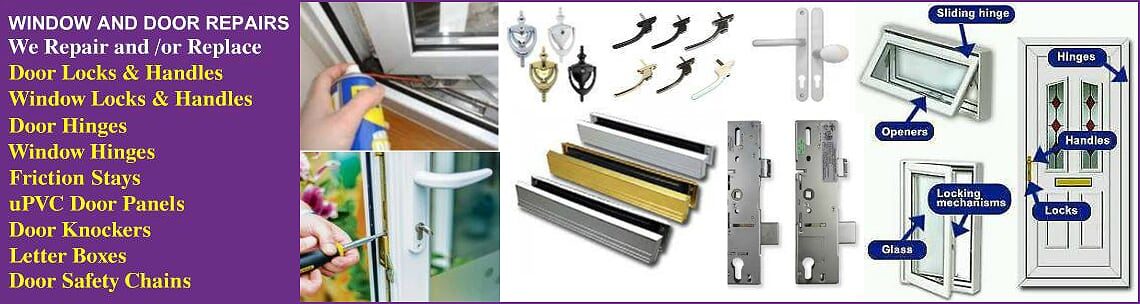
Hiring a locksmith is the best method to go about it. These experts will ensure that the installation is completed properly. They will also be able to provide advice on the best security options for your home. They can even set up a system that will allow you to control the door's locking remotely and allow you to check on your home from any location.
In order to change locks, you'll need to remove the turn assembly plate and the deadbolt if there is one. After that, on an uncluttered surface, take the old pins out of the plug and push them to the side so that they do not get mixed up with the new ones. Then, insert the new pins in the proper order, following the chart that comes in the kit. Then, place the new key plug in the cylinder. Attach it with the clip ring.
You may need to replace the strike plate, too, if it's worn or broken. These are the metal plates that attach to your door frame and provide a secure place for the latch or bolt. The strike plate is usually constructed of sturdy steel and is riveted to a different piece of steel that supports the hinges to the frame of the door.